This blog post is AI-generated by Claude and inspired by the original PolyTripper video linked below.
Hi Language Buddy!
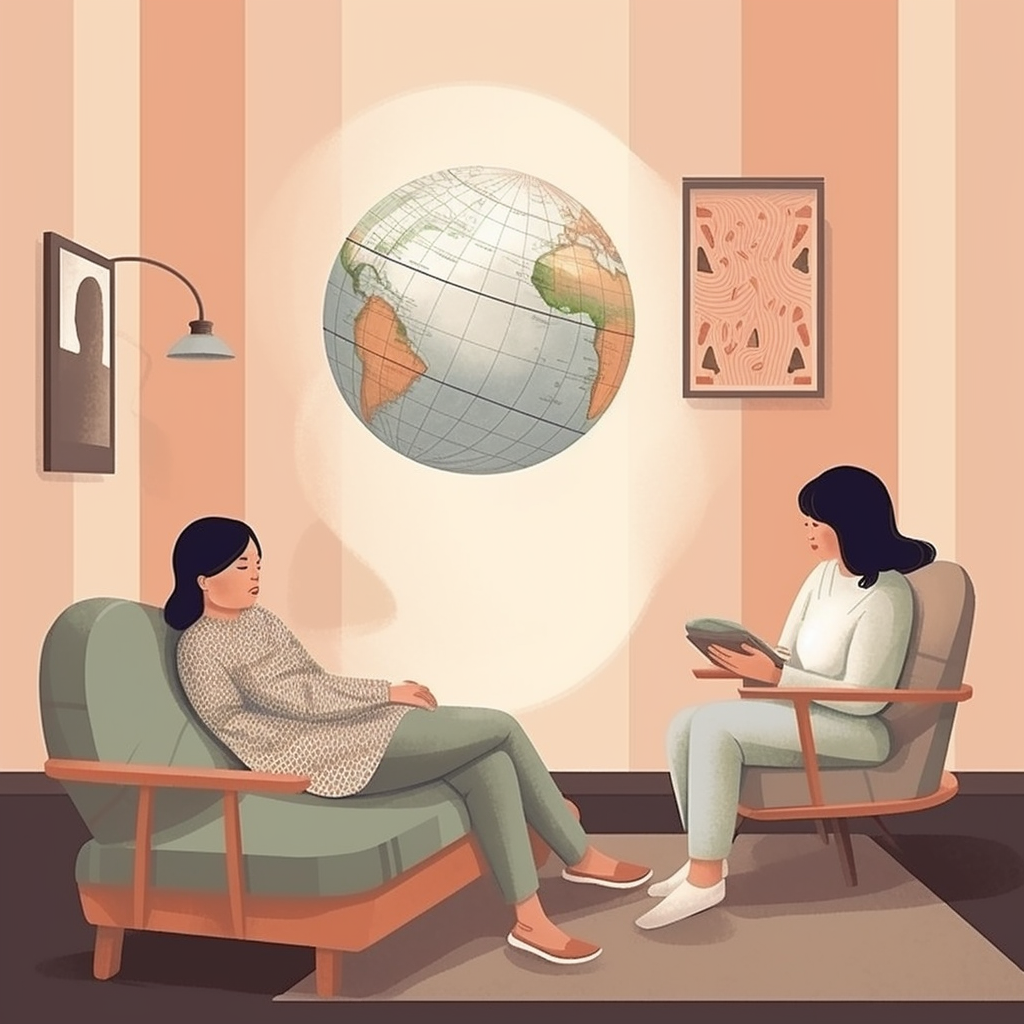
I hope you had a productive week. Today I want to talk about self-study and how it can be a healing experience, especially if you had traumatic language learning experiences in school.
One of the things I suffered with a lot in school was that my learning style was very ill-suited to the presentation format of instruction. I'm a visual learner, not a good auditory learner. Teachers would say things and blow past points where I needed more review.
During class, I couldn't backtrack. I couldn't go back a few pages and reread what the teacher just said. I couldn't stop the teacher and rewind them. It was a miserable experience for me.
I also found that language instruction quality in school wasn't great. Growing up in the Midwest, most language teachers weren't native speakers. The whole mode of schooling was ill-suited to my learning style.
Traditional education systems are designed for efficiency, not personalization. They assume all students learn at the same pace, through the same methods, with the same motivation. This works for some students but leaves many others feeling inadequate or incapable.
Research by Howard Gardner on "multiple intelligences" and learning style theory shows that people have genuinely different cognitive strengths. Some learn best through visual input, others through hands-on experience, others through logical analysis.
When your natural learning style conflicts with the delivery method, you can internalize the message that you're "bad at languages" when really, you just had a bad learning environment.
One of the most powerful things I've discovered with self-study—combined with online instruction—is that it's very healing. In addition to being instructive, it allows me to:
Learn at my own pace: I can spend extra time on difficult concepts without holding up a class or feeling rushed past material I don't understand.
Choose my learning materials: I can find resources that match my learning style and interests rather than being stuck with a one-size-fits-all textbook.
Control the timing: It's discretionary—I can choose when I want to study, what I want to focus on, and how long to spend on each topic.
Eliminate performance anxiety: No one is judging my accent, grading my mistakes, or comparing my progress to other students.
Adult self-study allows you to discover what type of learner you actually are, freed from institutional constraints. You might find that you learn languages best through:
• Reading and visual materials
• Hands-on conversation practice
• Music and audio immersion
• Grammar analysis and logical patterns
• Cultural context and storytelling
The key is having the freedom to experiment and find what works for you specifically.
Educational trauma is real. Students who struggle in traditional academic settings often develop negative associations with learning itself. They might believe they're "not smart enough" or "bad at languages."
Self-directed learning can reverse these psychological patterns by:
Restoring agency: You're in control of your learning journey rather than subject to external judgments and timelines.
Building confidence: Success in self-study proves that the problem was the method, not your capability.
Creating positive associations: Learning becomes associated with curiosity and growth rather than stress and evaluation.
Honoring your pace: You can move quickly through easy material and spend time on challenging concepts without external pressure.
If you haven't enjoyed previous language learning experiences, I encourage you to look into language learning as an adult. Approach it as a healing way to repair some of the trauma from past learning experiences.
You might discover that you're actually quite capable of learning languages—you just needed an environment that honored your learning style and allowed you to progress at your own pace.
Modern language learning resources are incredibly diverse. There are visual programs, audio immersion courses, conversation-focused apps, grammar-heavy textbooks, cultural immersion experiences, and everything in between.
The beauty is that you get to choose what works for you.
That's what I wanted to share with you this week. If school convinced you that you're "bad at languages," maybe it's time to discover what you can accomplish when you're in control of your own learning journey.
Hope you have an excellent, productive week!