
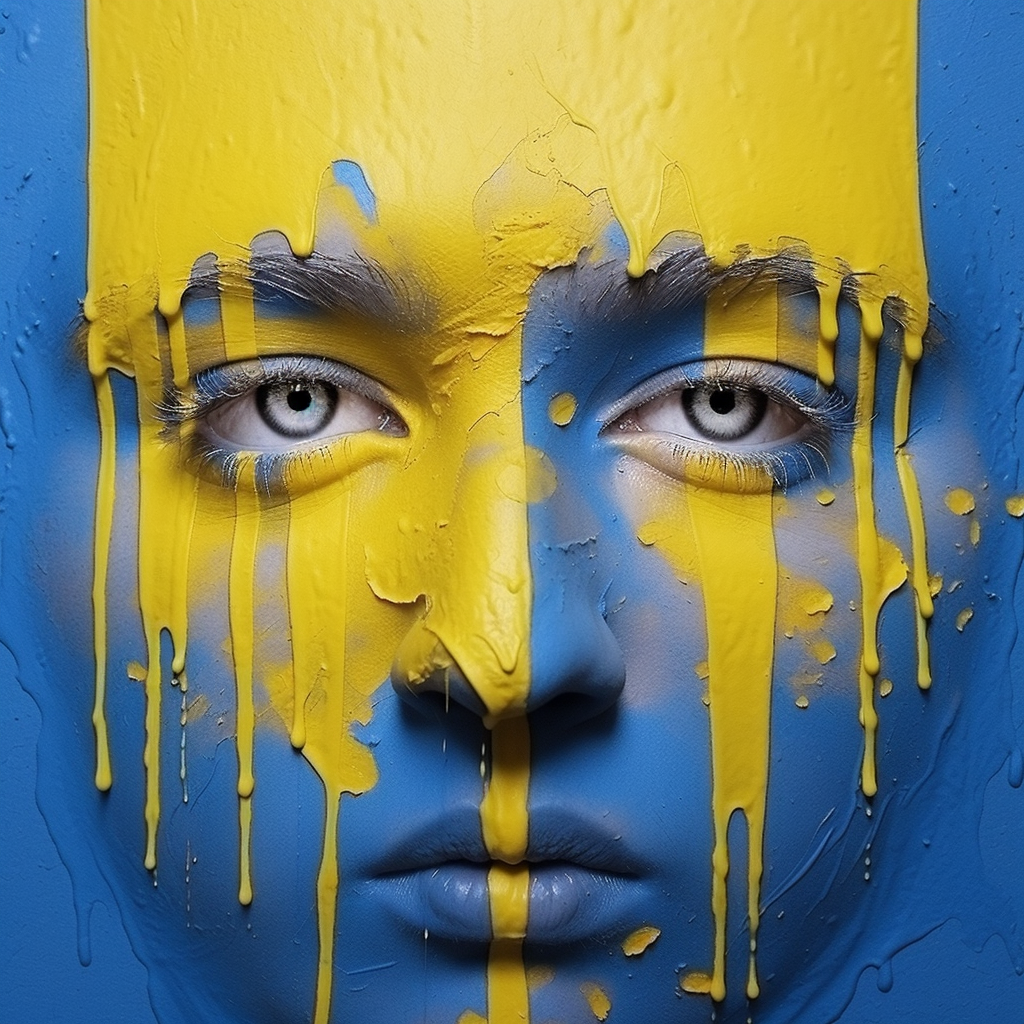
This blog post is AI-generated by Claude and inspired by the original PolyTripper video linked below.
Hi Language Buddy,
I hope you had a productive week. I want to apologize for the hiatus I've taken from Facebook lives and videos, and share some thoughts about language learning during difficult times.
I've pre-recorded many motivational, upbeat videos about language learning. But as you know, I've been learning Russian for the past two years, and the situation in Ukraine has completely disrupted my learning journey—both emotionally and practically.
My big dream when learning any language is to travel to the country and spend time in a language school. That's always been my motivational reward. Of course, that dream has been dashed for the foreseeable future with the current situation in Russia.
I have very clear opinions about current events, but I'm not going to share them here. Those who know me know where I stand. Instead, I want to stress how important language learning is in situations like these.
What I'm seeing is a lot of taking sides, and I've taken a side too. But more importantly, I'm seeing a huge disconnect between different perceived realities when I speak to certain Russian-speaking people.
I feel privileged that I can now speak Russian well enough to have extended conversations with people about different points of view and try to find some middle ground. It's too easy to fall into an "us versus them" attitude.
I do this with domestic U.S. politics too. I have clear political views, and it's very easy to fall into the trap of being in your own bubble, thinking that people who don't think the way you do are enemies who need to be destroyed.
I believe language is one of the only ways out of this kind of thinking, for two reasons:
First, once you successfully bridge the linguistic gap between you and someone you disagree with, you can have much more productive conversations. It's not the same when world leaders talk through translators with microphones in their ears. I can't help thinking there would be a much more personal connection if they could speak directly in each other's language.
Second, I'm noticing attempts to suppress truth and hide information from various parties. I believe speaking to people in their own language is the way through this.
Studies support the power of direct linguistic communication:
Reduced cognitive bias: Research shows that communicating in someone's native language reduces misunderstandings and cultural misinterpretations.
Increased empathy: Studies demonstrate that people show more empathy when communicating in the listener's preferred language.
Enhanced trust: Research indicates that multilingual communication builds trust more effectively than translated communication.
Deeper cultural understanding: Direct language access provides insight into cultural nuances that translation cannot capture.
In Russia, they have a saying that truth always comes out. Even though people might not subscribe to my interpretation of the truth, just as I don't subscribe to others' interpretations, I believe only bad faith actors would truly believe that suppressing truth is productive.
Language is a pathway to truth because when you talk in someone's native language, you have a better chance of sorting out paradoxes, inconsistencies, and illogical thinking to reach common understanding.
What strikes me most is how people can experience completely different realities of the same events. This happens in all conflicts and political divisions:
Information bubbles: We naturally gravitate toward sources that confirm our existing beliefs.
Cultural filters: Our background shapes how we interpret events and information.
Language barriers: Translation and interpretation can distort meaning and nuance.
Emotional responses: Strong feelings can override rational analysis of complex situations.
Many language learners face this challenge: geopolitical events that disrupt travel plans, cultural connections, or motivation. This raises important questions:
Should you continue studying a language when the country becomes inaccessible? The language itself remains valuable regardless of current politics.
How do you separate language from politics? Language connects you to people and culture, which exist beyond government actions.
What happens to motivation when dreams are derailed? Finding new reasons and applications for your skills becomes essential.
Can language learning serve peace? Direct communication across divides may contribute to understanding and resolution.
Despite disrupted travel dreams, continuing Russian study serves important purposes:
Human connection: Ability to communicate directly with Russian speakers about their experiences and perspectives.
Information access: Understanding news, social media, and cultural content without translation filters.
Bridge building: Contributing to communication across political and cultural divides.
Truth seeking: Ability to hear multiple perspectives and form more complete understanding.
Future preparation: Maintaining skills for when travel and cultural exchange become possible again.
Historical precedents show that language learning continues to matter during conflicts:
World War II: Language skills proved crucial for diplomacy, intelligence, and post-war reconstruction.
Cold War: Cultural and linguistic exchanges helped eventually reduce tensions.
Post-conflict periods: Language skills facilitated reconciliation and rebuilding efforts.
Modern conflicts: Direct communication often provides paths toward de-escalation and understanding.
Common understanding may not always be possible—some disagreements run too deep, some positions are irreconcilable. But language is one of the few ways to actually attempt to achieve that understanding.
Even when complete agreement isn't possible, direct communication can:
• Humanize the "other side"
• Reveal shared concerns and values
• Identify specific points of disagreement
• Create space for future dialogue
• Prevent dehumanization that enables conflict
I'll continue these videos and Facebook lives using pre-recorded content that doesn't reference current political situations. But the principles remain the same: language learning builds bridges, enables understanding, and creates possibilities for connection even during the most difficult times.
If you want to talk personally about any of this, please reach out. I love interacting with people, talking to people, and being able to help and guide while also learning from others.
This situation has been deeply challenging personally—watching friends and colleagues affected by events, seeing my learning dreams disrupted, and grappling with complex realities. But it's also reinforced my belief in the importance of language as a tool for understanding and connection.
The ability to speak with Russian speakers directly about these events, to understand their perspectives and share my own, feels more valuable than ever—even as it's emotionally difficult.
Language doesn't solve conflicts, but it creates conditions where solutions might eventually be found.
Take care, and I'll see you next week.