This blog post is AI-generated by Claude and inspired by the original PolyTripper video linked below.
Hi Language Buddy!
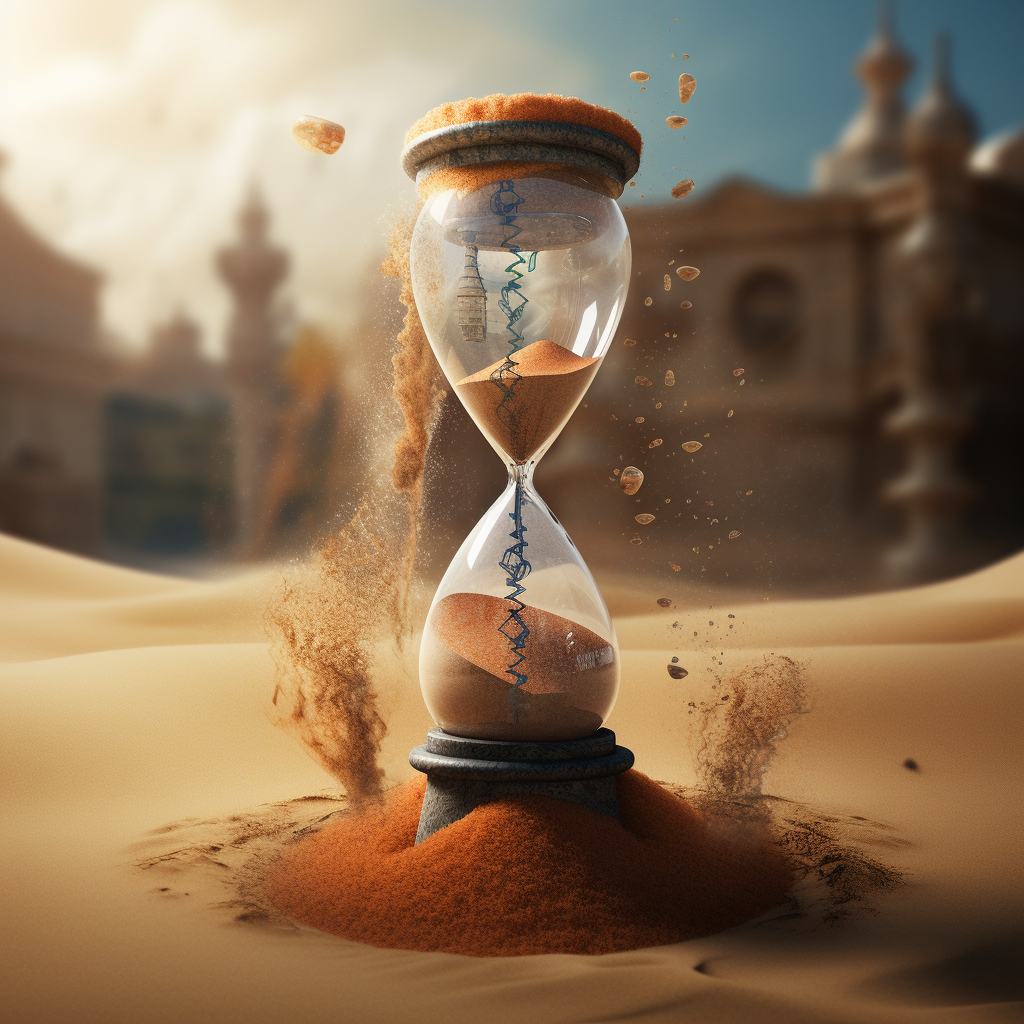
I hope you had a productive week. Today I want to talk about something that might seem morbid but is actually essential: how much time we have left on this Earth.
When you think about a life unit, you could measure it in years, months, weeks, or even seconds. Most people don't live their lives with this kind of intentionality, and then they're suddenly caught by surprise—a midlife crisis hits, or they reach the end of their life without achieving the goals they wanted to achieve.
The only way to achieve your goals is to do it purposefully. I think it's very healthy to reason about how much time you have left and figure out how to prioritize what's most important with the little time we actually have.
Most people are surprised to realize we have much less time than we think. Not only can unforeseen things happen, but there's also a psychological phenomenon: the older you get, the more your perception of time accelerates.
A six-year-old perceives time as going much more slowly than a 20-year-old, who perceives it more slowly than a 50-year-old. This isn't just subjective—there's real science behind it.
Psychologist William James first described this phenomenon over a century ago, and modern neuroscience has confirmed it. Several factors contribute to time feeling like it speeds up as we age:
Proportional theory: One year represents a much larger percentage of a child's total life experience than an adult's. To a 10-year-old, one year is 10% of their entire existence. To a 50-year-old, it's only 2%.
Novelty effect: Children experience more "firsts"—first day of school, first bicycle ride, first heartbreak. Novel experiences create more vivid memories and make time feel denser. Adults often fall into routines where weeks and months blur together.
Biological clock changes: Research suggests our internal biological clocks literally slow down as we age, making external time feel faster by comparison.
Understanding this makes it much more urgent to live life with purpose and intention. You need to figure out what you want from this life, then do everything you can to achieve it—whether it's your language learning goals or anything else that matters to you.
This isn't meant to be depressing. It's meant to be liberating. When you truly understand that time is limited and precious, you stop wasting it on things that don't matter.
Here's how this applies practically:
Prioritize ruthlessly: Not everything that seems important actually is. Focus on what will matter most when you look back.
Embrace learning: New skills and experiences create richer memories and make time feel more meaningful.
Act on your goals: Waiting for the "right time" to start something important is a luxury you probably can't afford.
Create memorable experiences: Routine days disappear from memory. Unique experiences become the landmarks of your life.
This is why I'm so passionate about language learning. It checks all the boxes for making time count: it creates new experiences, builds lasting skills, opens cultural doorways, and gives you tools you'll use for the rest of your life.
When you're learning a language, you're not just filling time—you're creating a richer, more connected version of yourself.
I'm philosophizing about something much bigger than just language learning here. This applies to every important goal in your life. The clock is ticking for all of us. The question is: what are you going to do with the time you have?
That's my thought for this week. Hope you have a productive upcoming week, with time well spent.